
Nov 3, 2026

By Justin Neiman, Former Harvard Admissions Officer

Harvard University's latest admissions statistics have attracted national attention, revealing a significant shift in the racial and ethnic composition of its entering freshman class. According to data released on October 27, 2026, Asian American students now represent 43.2% of Harvard's Class of 2030, up from 41% the previous year and 37% in the Class of 2028.
The changes come three years after the Supreme Court's landmark 2023 decision prohibiting race-conscious admissions practices at Harvard and other American universities.
The figures have generated considerable discussion about the future of affirmative action, fairness in college admissions, and the changing demographics of America's most selective universities.
As a former Harvard admissions officer who now works with students and families navigating the admissions process, I believe these changes raise several important questions. Are Asian American applicants becoming more competitive in the admissions process? Are more students deciding to apply because they perceive their chances of admission to be improving? And what do these developments mean for students hoping to attend Harvard and other highly selective universities?
Understanding the answers requires looking beyond the enrollment statistics and examining how college admissions actually works.
Harvard's newly released enrollment figures illustrate a notable change in the composition of its undergraduate student body.
Meanwhile, the percentage of Black students in Harvard's entering class has declined from 18% in 2023, before the ruling affected admissions decisions, to 9.3% in the Class of 2030. Hispanic or Latino representation also declined relative to the first class admitted after the ruling, although it remained relatively stable over the past year.
Harvard is not alone in experiencing demographic shifts, and the patterns have not been uniform across highly selective institutions. Princeton and Amherst, for example, reported increases in Black enrollment this year, while Columbia's demographic composition remained comparatively stable.
The differences suggest that the effects of changing admissions policies may be more complicated than any single institution's numbers reveal.
It is also important to recognize that Harvard's published figures describe students who enrolled, rather than the admission rates of different demographic groups. The university's reporting methodology has also evolved in recent years, making some historical comparisons imperfect.
This is perhaps the most important question for many families, and the answer requires some nuance.
The increase in Asian American representation at Harvard is significant. It demonstrates that the composition of the entering class has changed substantially in the years following the Supreme Court's decision.
However, a higher percentage of Asian American students in the freshman class does not necessarily establish that an individual Asian American applicant now has a higher statistical probability of admission.
To determine that, we would need additional information, including how many Asian American students applied, how many were admitted, and how those figures compare with previous admissions cycles.
It's possible that changes in admissions policies have influenced the composition of admitted students. It's also possible that changes in applicant behavior, enrollment decisions, and other factors have contributed to the results.
These explanations are not mutually exclusive.
Harvard also remains extraordinarily competitive. For the Class of 2030, the university received 55,104 applications and admitted 2,037 students, representing an overall acceptance rate of approximately 3.7%.
Even if admissions opportunities have changed for some applicants, gaining admission to Harvard remains exceptionally difficult.
One development I've observed in my work as an independent college admissions consultant is a growing sense of optimism among some Asian American students and families.
Since the Supreme Court's 2023 decision, I've encountered families who believe their children may now have a more favorable opportunity to gain admission to universities such as Harvard.
In some cases, the underlying academic and extracurricular qualifications of these students have not necessarily changed. What has changed is their perception of the admissions landscape.
A sentiment that captures what I've been hearing is:
"We previously viewed Harvard as an unrealistic option, but now we feel it may be worth applying."That observation raises an interesting question that I believe deserves more attention: Could changing perceptions about admissions fairness and competitiveness be encouraging more Asian American students to apply to highly selective universities?
Students and families make decisions about where to apply based on a variety of considerations, including academic fit, financial circumstances, personal interests, and their perceived likelihood of admission.
If applicants believe that their chances have improved, they may be more willing to consider universities they previously viewed as beyond their reach.
That could potentially influence the number and composition of applications institutions receive.
Harvard reported a 15% increase in total applications for the Class of 2030 compared with the previous year. However, the university's publicly released statistics do not establish whether Asian American applications specifically increased or whether perceptions of changing admissions opportunities contributed to the overall rise.
My observations are anecdotal, drawn from conversations with families rather than a representative national survey.
Nevertheless, I think they highlight an important and sometimes overlooked dimension of admissions policy.
Changes in admissions practices can influence not only how universities evaluate applicants, but also how students perceive their opportunities and decide where to apply.
Having worked as an admissions officer, one of the misconceptions I frequently encounter is that highly selective college admissions is primarily an exercise in ranking students according to grades and test scores.
In reality, the process is considerably more nuanced.
Admissions officers evaluate applicants across multiple dimensions, including academic achievement, intellectual curiosity, extracurricular involvement, leadership, personal qualities, recommendations, and the broader context of a student's experiences.
Academic excellence is foundational, particularly at institutions like Harvard, where the overwhelming majority of competitive applicants have already demonstrated exceptional academic preparation.
But strong grades and test scores alone rarely explain why one highly qualified applicant is admitted while another is not.
Admissions committees are also interested in understanding how students have pursued their interests, what they've contributed to their communities, and what distinguishes them from other accomplished applicants.
These elements of holistic review remain important following the Supreme Court's decision.
The legal change means that universities cannot use an applicant's race itself as a factor in admissions decisions. However, the Supreme Court explicitly recognized that universities may continue considering an applicant's discussion of how race or personal experiences have shaped their life, provided the evaluation focuses on the individual's experiences and qualities rather than race itself.
In other words, holistic admissions has not disappeared.
The task of evaluating students as individuals, with distinct interests, accomplishments, backgrounds, and personal qualities, remains central to the process.
Given the recent enrollment data, some families may be tempted to rethink their admissions strategies.
I would encourage students to be cautious about making major decisions based solely on changes in demographic statistics.
While the latest figures may lead some families to feel more optimistic, they do not eliminate the intense competition for admission to Harvard and other highly selective universities.
Nor do they fundamentally change the qualities that make an applicant compelling.
From my perspective, students should continue focusing on several core priorities.
First, develop the strongest academic foundation possible through challenging coursework and sustained intellectual engagement.
Second, pursue extracurricular interests with depth and commitment rather than simply accumulating activities that might appear impressive on an application.
Third, look for opportunities to demonstrate initiative, leadership, creativity, and meaningful contributions within areas of genuine interest.
Finally, approach the application process with a clear understanding of what makes you a compelling candidate, why a particular university is a strong fit for your interests and goals, and what you would contribute to its academic and campus community.
This means thinking carefully about how your essays, recommendations, activities, and academic accomplishments work together to communicate a coherent and authentic picture of who you are, what matters to you, and why you would be a valuable addition to the university.
Harvard's Class of 2030 represents another important data point in understanding how highly selective universities are changing following the Supreme Court's decision.
The continued increase in Asian American enrollment is noteworthy, as are the shifts in representation among other demographic groups.
But enrollment figures alone cannot explain every factor influencing those changes.
To fully understand what is happening, we need to consider not only how admissions committees are making decisions, but also who is applying, how students perceive their opportunities, and which admitted applicants ultimately choose to enroll.
From my perspective, one of the most interesting developments may be the relationship between changing admissions policies and the expectations of prospective applicants.
If more students believe that a highly selective university is within reach, that perception alone could influence application behavior, even before we know whether individual admissions probabilities have meaningfully changed.
As more years of data become available, we'll have a clearer understanding of the long-term implications.
For now, my advice to students and families remains consistent: Don't build an admissions strategy around demographic trends or assumptions about how an institution might evaluate a particular group. Build it around the individual student's academic strengths, intellectual interests, accomplishments, and personal qualities.
Those are the foundations of a compelling application, regardless of how the broader admissions landscape continues to evolve.
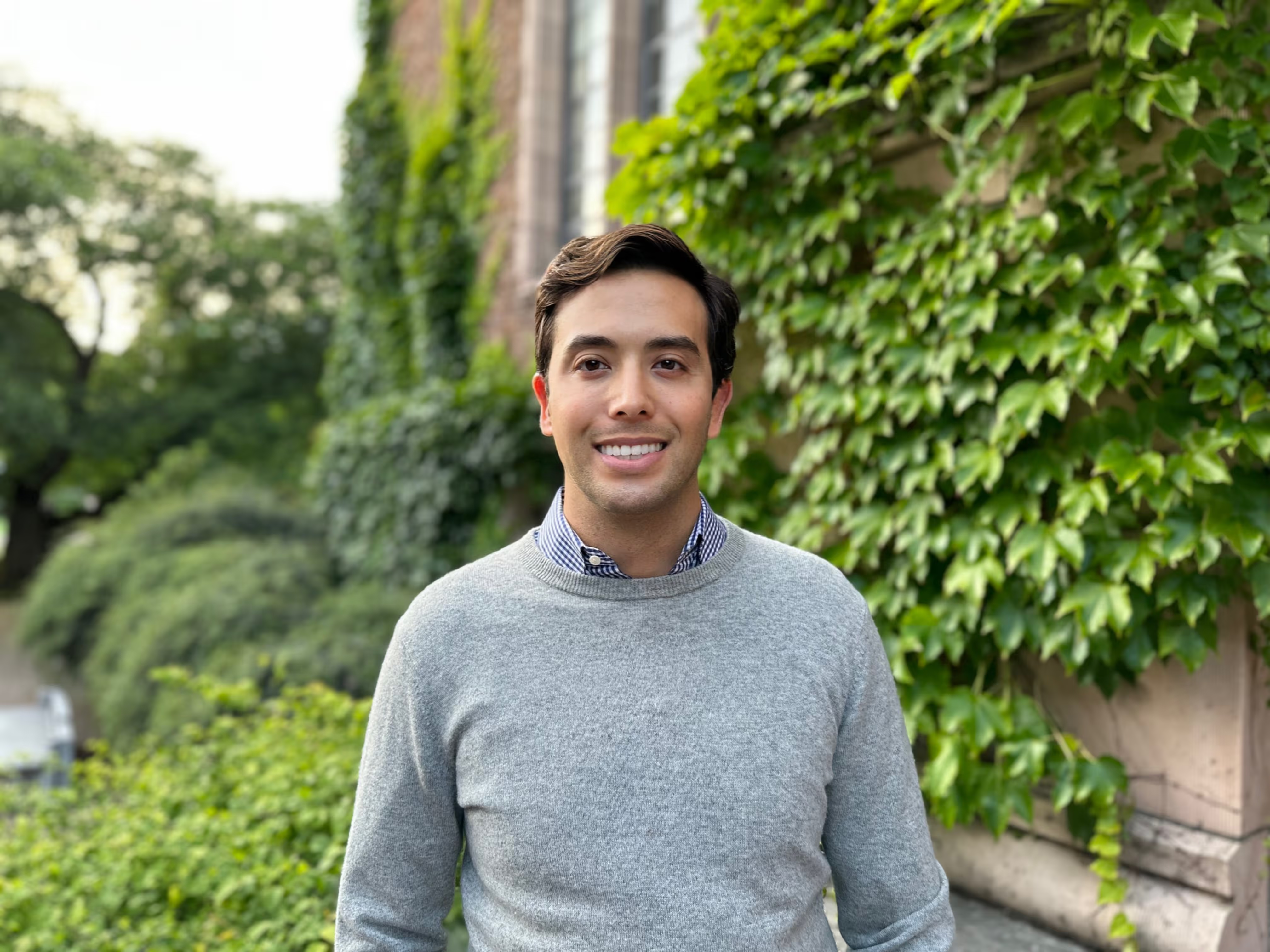
Former Admissions Officer, Harvard University
Former Assistant Dean, Stanford University
I’m a college admissions counselor and the founder of Selective Admissions. I help students navigate the college application process and position themselves as competitive applicants to top universities.


