Aug 19, 2026
.webp)
By Justin Neiman, Former Admissions Officer

College interviews can feel intimidating, especially as admissions policies continue to evolve. Many students are unsure which schools still offer interviews, how much interviews matter, and how to prepare without sounding rehearsed.
As a former admissions officer who has read interview reports and worked with students across a wide range of selective colleges, I want to explain how interviews are actually used today and how students can prepare in a way that feels confident, natural, and effective.
The role of interviews in college admissions has shifted in recent years. Colleges are receiving record numbers of applications, and many schools have adjusted how they evaluate students following broader legal and policy changes.
As a result, interview practices now vary significantly by institution. Columbia phased out its alumni interview program two years ago and is not using interviews for the 2025–2026 cycle. Brown now uses an optional video introduction rather than a formal interview. But for many top schools—Harvard, Yale, Princeton, Stanford, and MIT, for example—the interview remains an important part of the evaluation process.
For the schools that continue to rely on interviews, being prepared and presenting your best self matters more than ever as admissions offices look for additional context to support their holistic review.
For many students, the interview is the most nerve-wracking part of the admissions process. Writing essays allows time to reflect and revise. An interview requires you to speak about yourself in real time, often to someone you’ve never met.
I’ve seen interviews from several perspectives: as an admissions officer reviewing interview feedback, as an alumni interviewer, and as an applicant myself. Across all of these roles, one thing is consistent. Interviews are not designed to trick students or test them academically. They are meant to humanize the application and provide additional perspective on a student’s interests, character, and communication style.
The strongest interviews tend to feel like thoughtful conversations rather than formal evaluations.
Do a quick Google search once you have the name of your interviewer. It’s helpful to understand their background:
Knowing a little about your interviewer might help you find ways to connect during the conversation.
Most top schools rely on a robust network of alumni to conduct interviews of prospective students. This is likely the case for you, but you’ll want to confirm whether you are meeting with an alumni interviewer or someone who works in an official capacity as an admissions officer.
While you don’t have full control over the conversation, as the interviewer will be asking the questions, use their prompts as opportunities to share the most compelling parts of your story. Think about which aspects of your experiences you want to highlight, and look for ways to weave them into the interview.
While it’s easier said than done, the best thing you can do is be authentic. You’ve worked hard to get to this point—now is your chance to talk about yourself. Remember, your interviewer was once in your shoes—a high school student going through a similar application process—so they understand the stress that comes with it.
Does it matter if you do your interview in person or virtually? Short answer: no.
There is no need to dress in formal attire. Many colleges recommend you wear something you’d normally wear to school, but I suggest keeping your attire neutral and professional, as you don’t know your interviewer’s preferences.
It’s always a good idea to send a thank-you email after your interview. If there were specific topics that came up about the interviewer’s experience at the school or something memorable from your conversation, mention it. This can add a thoughtful touch.
If you have questions about preparing for college interviews, feel free to reach out. We can help out with mock interviews, sample questions, and general coaching tips!
College interviews can feel intimidating, especially as admissions policies continue to evolve. Many students are unsure which schools still offer interviews, how much interviews matter, and how to prepare without sounding rehearsed.
As a former admissions officer who has read interview reports and worked with students across a wide range of selective colleges, I want to explain how interviews are actually used today and how students can prepare in a way that feels confident, natural, and effective.
The role of interviews in college admissions has shifted in recent years. Colleges are receiving record numbers of applications, and many schools have adjusted how they evaluate students following broader legal and policy changes.
As a result, interview practices now vary significantly by institution. Columbia phased out its alumni interview program two years ago and is not using interviews for the 2025–2026 cycle. Brown now uses an optional video introduction rather than a formal interview. But for many top schools—Harvard, Yale, Princeton, Stanford, and MIT, for example—the interview remains an important part of the evaluation process.
For the schools that continue to rely on interviews, being prepared and presenting your best self matters more than ever as admissions offices look for additional context to support their holistic review.
For many students, the interview is the most nerve-wracking part of the admissions process. Writing essays allows time to reflect and revise. An interview requires you to speak about yourself in real time, often to someone you’ve never met.
I’ve seen interviews from several perspectives: as an admissions officer reviewing interview feedback, as an alumni interviewer, and as an applicant myself. Across all of these roles, one thing is consistent. Interviews are not designed to trick students or test them academically. They are meant to humanize the application and provide additional perspective on a student’s interests, character, and communication style.
The strongest interviews tend to feel like thoughtful conversations rather than formal evaluations.
Do a quick Google search once you have the name of your interviewer. It’s helpful to understand their background:
Knowing a little about your interviewer might help you find ways to connect during the conversation.
Most top schools rely on a robust network of alumni to conduct interviews of prospective students. This is likely the case for you, but you’ll want to confirm whether you are meeting with an alumni interviewer or someone who works in an official capacity as an admissions officer.
While you don’t have full control over the conversation, as the interviewer will be asking the questions, use their prompts as opportunities to share the most compelling parts of your story. Think about which aspects of your experiences you want to highlight, and look for ways to weave them into the interview.
While it’s easier said than done, the best thing you can do is be authentic. You’ve worked hard to get to this point—now is your chance to talk about yourself. Remember, your interviewer was once in your shoes—a high school student going through a similar application process—so they understand the stress that comes with it.
Does it matter if you do your interview in person or virtually? Short answer: no.
There is no need to dress in formal attire. Many colleges recommend you wear something you’d normally wear to school, but I suggest keeping your attire neutral and professional, as you don’t know your interviewer’s preferences.
It’s always a good idea to send a thank-you email after your interview. If there were specific topics that came up about the interviewer’s experience at the school or something memorable from your conversation, mention it. This can add a thoughtful touch.
If you have questions about preparing for college interviews, feel free to reach out. We can help out with mock interviews, sample questions, and general coaching tips!
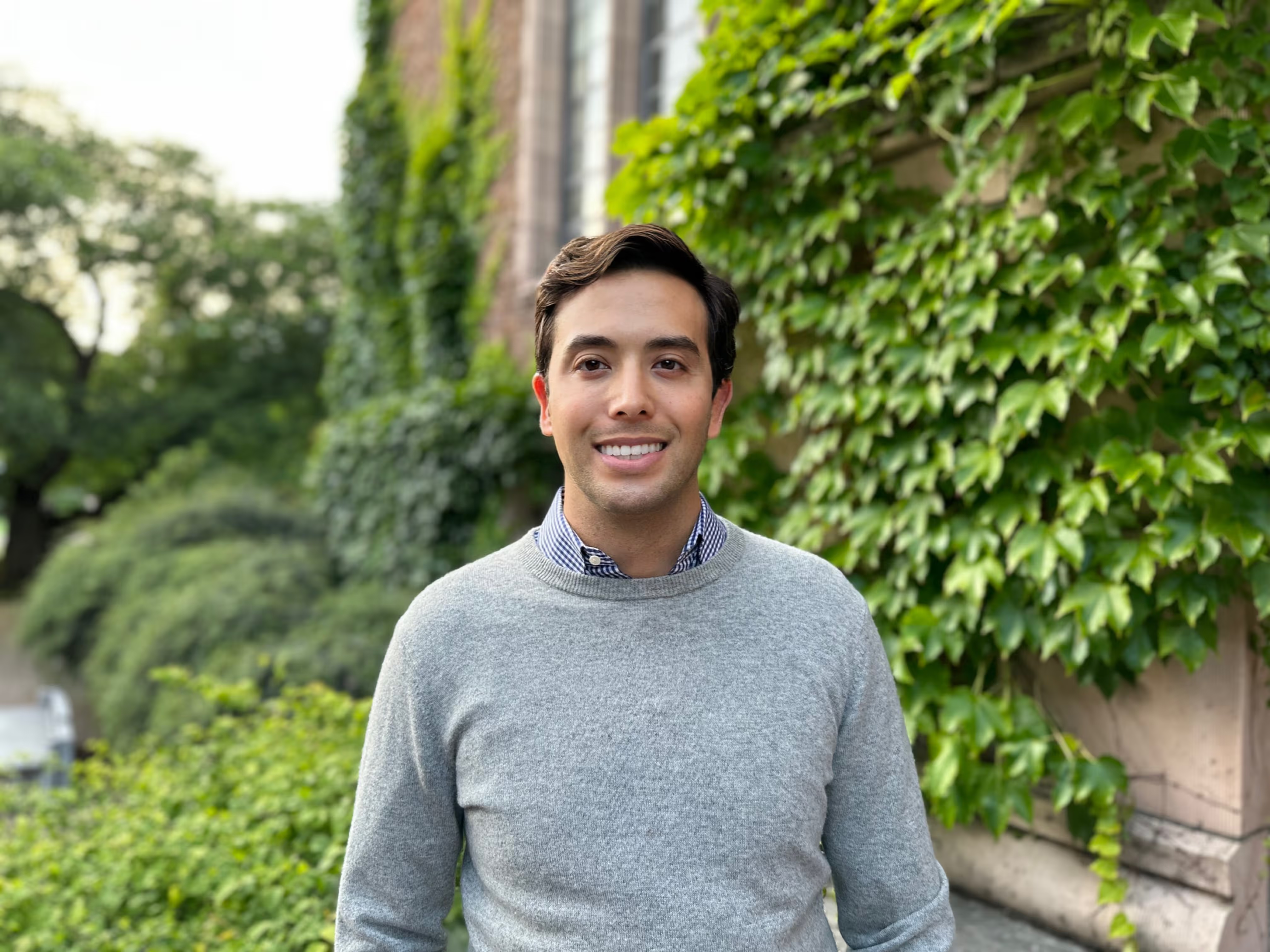
Former Admissions Officer, Harvard University
Former Assistant Dean, Stanford University
I’m a college admissions counselor and the founder of Selective Admissions. I help students navigate the college application process and position themselves as competitive applicants to top universities.

.webp)