
Aug 19, 2026
.webp)
By Justin Neiman, Former Admissions Officer
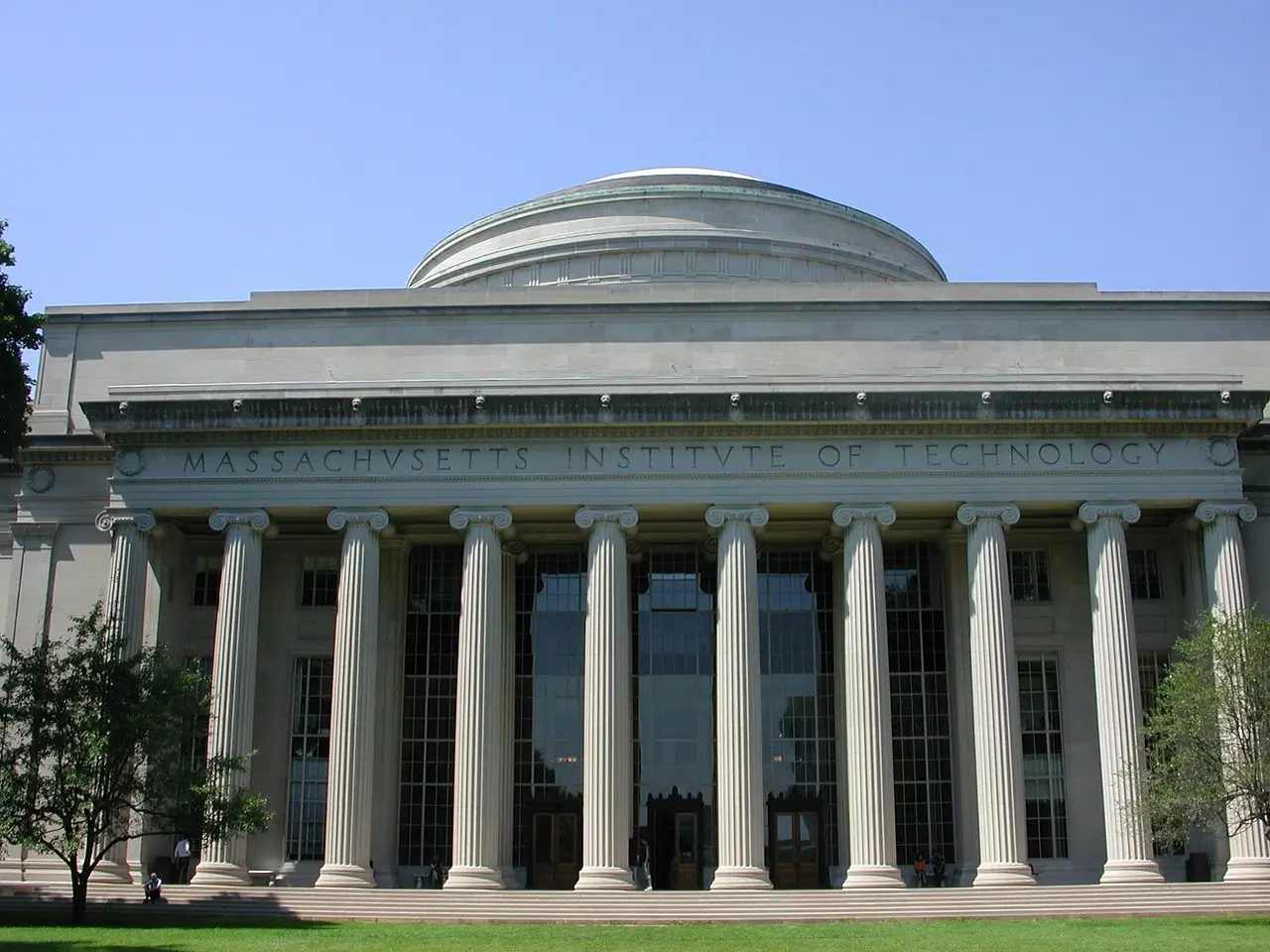
If you were rejected from MIT Early Action, you’re in good company. MIT receives tens of thousands of applications from some of the strongest students in the world, and the Early Action round is especially competitive. Getting rejected can feel discouraging, but it doesn’t close the door on your future. This guide explains what an MIT EA rejection means, why so many qualified applicants are turned away, and the concrete steps you should take now to strengthen your Regular Decision applications.
MIT makes it clear every year that the Early Action pool includes far more qualified students than they can admit. A rejection isn’t a statement about your worth or potential—it’s simply a reflection of the extreme selectivity of the process.
MIT does not allow appeals. A rejection is final for this application cycle. You can, however, reapply next year or apply as a transfer student. MIT admissions has stated: “Admitting such a small percentage of the applicant pool means that we unfortunately have to turn away many, many incredible students.” You can be exceptional and still be rejected from MIT—that’s how competitive it is.
MIT provides more transparency than many of its peers when it comes to admissions data. For the Class of 2029 (last year’s cycle), the university received 29,281 total applications and admitted 1,334 students, resulting in a 4.6 percent overall admit rate.
In Early Action, 12,052 students applied and 721 were admitted. Based on MIT’s published numbers, about 40.2 percent of Early Action applicants were rejected, with the remainder deferred to Regular Action.
These statistics show that receiving an EA rejection is far more common than being admitted.
My best advice is to fully shift your focus to the applications still ahead. You cannot change the MIT decision, but you have complete control over the quality of the work you submit to other schools over the next few weeks.
Although you can’t change your MIT application, you can refine and strengthen the applications you’re submitting elsewhere. Here are some ways to make the most of this time:
Review your essays
Ask yourself:
• Is my Common App essay my strongest possible work?
• Does it show depth, voice, and honest reflection?
• Do my supplemental essays feel specific and personal to each school?
Revisit your college list
• Is your list balanced across reach, match, and likely schools?
• Do you have enough schools you would genuinely be excited to attend?
Make strategic updates
Now is the time to add:
• New awards or accomplishments
• Leadership growth
• Completed projects or competitions
• Any meaningful academic or extracurricular updates
The Regular Decision round is still full of possibility, and many top colleges will be excited to read your application.
Setbacks are painful, especially when they involve a dream school. But most students will go through Regular Decision, and this period—December through early January—is your chance to put forward your strongest work. Stay motivated, refine your strategy, and keep pushing forward. Many students who are rejected early go on to thrive at incredible colleges that are deeply aligned with their goals.
If you’d like support feel free to reach out.
This article was updated in December 2025 for the 2025-2026 Admissions Cycle.
If you were rejected from MIT Early Action, you’re in good company. MIT receives tens of thousands of applications from some of the strongest students in the world, and the Early Action round is especially competitive. Getting rejected can feel discouraging, but it doesn’t close the door on your future. This guide explains what an MIT EA rejection means, why so many qualified applicants are turned away, and the concrete steps you should take now to strengthen your Regular Decision applications.
MIT makes it clear every year that the Early Action pool includes far more qualified students than they can admit. A rejection isn’t a statement about your worth or potential—it’s simply a reflection of the extreme selectivity of the process.
MIT does not allow appeals. A rejection is final for this application cycle. You can, however, reapply next year or apply as a transfer student. MIT admissions has stated: “Admitting such a small percentage of the applicant pool means that we unfortunately have to turn away many, many incredible students.” You can be exceptional and still be rejected from MIT—that’s how competitive it is.
MIT provides more transparency than many of its peers when it comes to admissions data. For the Class of 2029 (last year’s cycle), the university received 29,281 total applications and admitted 1,334 students, resulting in a 4.6 percent overall admit rate.
In Early Action, 12,052 students applied and 721 were admitted. Based on MIT’s published numbers, about 40.2 percent of Early Action applicants were rejected, with the remainder deferred to Regular Action.
These statistics show that receiving an EA rejection is far more common than being admitted.
My best advice is to fully shift your focus to the applications still ahead. You cannot change the MIT decision, but you have complete control over the quality of the work you submit to other schools over the next few weeks.
Although you can’t change your MIT application, you can refine and strengthen the applications you’re submitting elsewhere. Here are some ways to make the most of this time:
Review your essays
Ask yourself:
• Is my Common App essay my strongest possible work?
• Does it show depth, voice, and honest reflection?
• Do my supplemental essays feel specific and personal to each school?
Revisit your college list
• Is your list balanced across reach, match, and likely schools?
• Do you have enough schools you would genuinely be excited to attend?
Make strategic updates
Now is the time to add:
• New awards or accomplishments
• Leadership growth
• Completed projects or competitions
• Any meaningful academic or extracurricular updates
The Regular Decision round is still full of possibility, and many top colleges will be excited to read your application.
Setbacks are painful, especially when they involve a dream school. But most students will go through Regular Decision, and this period—December through early January—is your chance to put forward your strongest work. Stay motivated, refine your strategy, and keep pushing forward. Many students who are rejected early go on to thrive at incredible colleges that are deeply aligned with their goals.
If you’d like support feel free to reach out.
This article was updated in December 2025 for the 2025-2026 Admissions Cycle.

Former Admissions Officer, Harvard University
Former Assistant Dean, Stanford University
I’m a college admissions counselor and the founder of Selective Admissions. I help students navigate the college application process and position themselves as competitive applicants to top universities.

.webp)